It may appear that a single Koh Samui hotel (the Four Seasons) stars in the White Lotus Season 3, yet three other 5-star Thailand hotels play bit parts.
* The 4 Hotels of ‘White Lotus’ Thailand Are Ready For Prime Time—Fodor’s

Editor, Writer, Researcher
It may appear that a single Koh Samui hotel (the Four Seasons) stars in the White Lotus Season 3, yet three other 5-star Thailand hotels play bit parts.

Then there are more than ten recent accidents that Tesla drivers have blamed on mechanical malfunctions, which early this year drew the attention of Chinese regulatory authorities. Some of the accusations of malfunctions are similar to those made by Tesla owners in the US. Through it all, Tesla executives have appeared little concerned about the tarnishing of the company’s once dazzling brand image in China

Actual taxi and private-hire vehicle bookings by the app may be even fewer, if Grab customers make much use of the extra services like food delivery, payments, insurance and videos that Grab has added to its hailing services in its quest to interest South-East Asians in a super app.

A mother and daughter are planning a multi-million dollar upgrade of Bangkok's passenger riverboats, while adding hospitality and real estate ventures to their 100-year-old company.
Meanwhile, in the past decade the consortium's annual budget has shrunk by half—to US $17.5 million—even while resident numbers declined by only 30 percent during the same period. Much of that drop is due to resettlements in third countries, such as the United States and Australia, but those left behind can no longer apply for such status.

Since then Nepal's first billionaire has pledged $2.5 million through his Chaudhary Foundation to restore schools and homes destroyed or damaged by the quake. The foundation will bear all the costs of building 1,000 transitional bamboo-and-plaster homes and is working with other donors to construct another 9,000
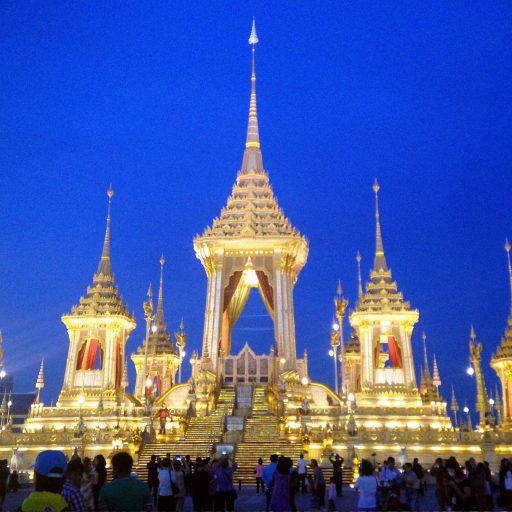
Estimates that one million people might gather here during the period are probably conservative, says Tongthong Chandransu, a law professor and expert on Thai royal funeral ceremonies. “After all, 500,000 people showed up last year on October 14 to observe when the king’s body was transferred across the river from Siriraj Hospital to the Grand Palace,” he says.

By Susan Cunningham Forbes Asia (This profile appeared in the March 2017 issue of Forbes Asia. Within ten days of its March 1 publication, Richard Quest did an in-person interview on CNN with the subject.) Patrick Y-Kin Grove is leaning against the pool table in Catcha Group's headquarters in the Mid Valley mall-lands of Kuala... Continue Reading →
In the beginning, the boats were relatively small and only carried 60 or 70 passengers, Rohingya Society of Malaysia President Sultan Ahmed explained. They soon became larger, squeezing in at least 200 passengers. Women and children began coming in large numbers in 2011. In 2012, large cargo boats were pressed into service; these could accommodate 600 or 700 passengers, as was seen this May in some of the boats set adrift in the Andaman Sea by traffickers.
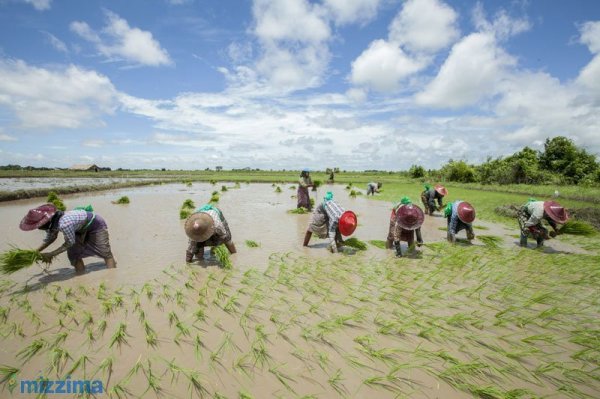
The goal of becoming once again the world’s rice basket is wrong: "If Myanmar emerged as the top exporter of rice and if farmers get rich, why not? But if farmers remain poor, what’s the point? … China’s policy is to reduce the rice-growing area. Vietnam has the target of being rice self-sufficient; it also has among the world’s highest use of agro-chemicals. So what if padi production goes down as a result?"
Yet Somyot acknowledged that the bombing might have been set in motion by Thailand’s July 8 deportation of 109 Uyghur men and women back to China at China’s request–despite pleas from the international community and Turkey’s willingness to welcome them as ethnic Turkic brethren.
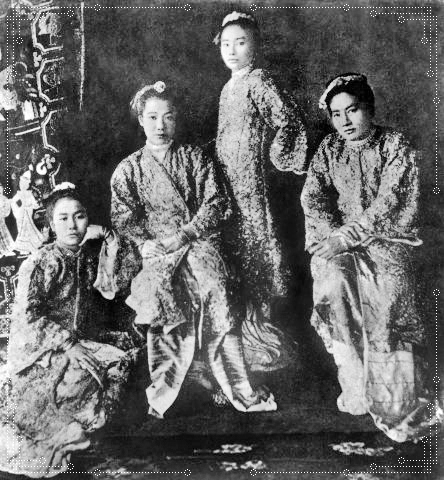
Along with the stories of King Thibaw and Queen Supayalat, The King in Exile tells of the strange, twisted lives of their four daughters and seven grandchildren. As foreign visitors surge in, drawn by the idea of a new frontier, the book erodes the mythology, so pervasive in the region, of a happier, fairer era when white European men kept the grateful dumb natives gently in place.

In the race to wire all these homes Jasmine is mostly vying with True, backed by the deep pockets of Thailand’s richest clan, the Chearavanont family.
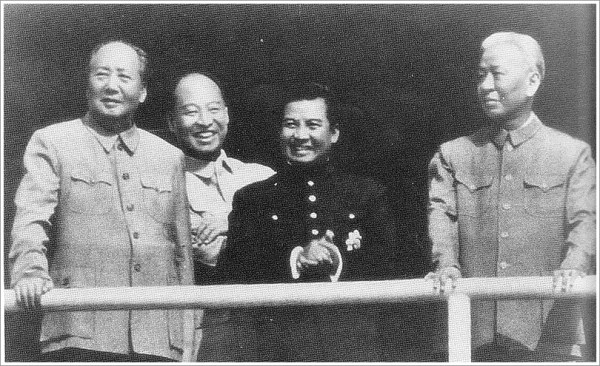
The way he crushed the 1967 Samlaut Rebellion—torching villages, the summary executions, severed heads as trophies–was straight out of the French rulebook, particularly the Nghe-Tinh Rebellion chapter. Though the survivor memoirs usually depict the Sihanouk and Lon Nol periods as an idyllic time, “paradise” even ...

With nine hotels and more than 800 rooms, Aitken Spence Hotels ranks as the nation’s second-largest hotel owner after John Keells Hotels. It plans to build four additional hotels during the next few years that will result in a total 2,132 rooms.

Thai Union accounts for 21% of the world's processed tuna production. "We can now claim to be the only global tuna company, and can claim a global production base," says Thiraphong.

He sighs, "I wish I could go back to that first (1935) constitution. I would give the Philippines much less freedom but much more authority to an honest president."

The bureau's other assets are easier to value. Its 30% share in the Siam Cement Group, the country's second-largest company, is worth $1.9 billion and its 25% share in Siam Commercial Bank is worth $1.1 billion. As of July it also owns virtually all of Deves Insurance, worth $65 million, and stakes in various other public and private companies that Aviruth says are worth $600 million.
By far, most patrons in Thailand are Thai men, yet foreign johns also fuel the demand. They not only come on sex tours from Europe, Japan and Malaysia. There are also conspicuous communities of middle-aged and elderly Western men who live in Pattaya, Phuket and Bangkok solely for the availability of cheap sex, child sex and younger wives. Many make a living by teaching in English schools.

It’s an unlikely scenario for a filmmaker from Thailand, especially someone from the dusty northeastern city of Khon Kaen. The son of two doctors, he saw little art and no art–house movies when he was growing up. After earning an architecture degree in Khon Kaen, he enrolled in the School of the Art Institute of Chicago. It was there ...
Since visitors today still find Hanoi shabby with the lingering odor of soviets, it's interesting to read that in all of Vietnam, Downie found the appearance of this city transformed the most in the span of a few years. The wood-fueled buses disappeared, private cars and shops multiplied, outdoor lights were installed, and clothes became brighter and more fashionable.
Sidebar to story about a then new way to send money home using mobile phones. Explains how Myanmar migrants prefer the traditional means.
From 250 applications, Korawad’s team was the only one among the eight selected that comprised high school students. Each team received US$20,000, a mentor, and a crash course in pitching, fund-raising, term sheets, lean management, company visits and paintball combat.

How to travel around Bangkok by Skytrain, MRT subway, Airport Rail Link, taxis (motorcycle, tuk-tuk and car) and boat (canal and river). Includes how to get to and from the two airports.

Sappe already exports to almost 100 countries: in Asia, Europe, the Americas and the Middle East. Its net profit climbed 59% to 653 million baht in 2022. More than three-quarters of revenue came from overseas.
 Susan J Cunningham