Since then Nepal's first billionaire has pledged $2.5 million through his Chaudhary Foundation to restore schools and homes destroyed or damaged by the quake. The foundation will bear all the costs of building 1,000 transitional bamboo-and-plaster homes and is working with other donors to construct another 9,000
* Funeral of Late Thai King May Not Be for Tourists; Here’s How to Pay Respects—South China Morning Post
Estimates that one million people might gather here during the period are probably conservative, says Tongthong Chandransu, a law professor and expert on Thai royal funeral ceremonies. “After all, 500,000 people showed up last year on October 14 to observe when the king’s body was transferred across the river from Siriraj Hospital to the Grand Palace,” he says.
* The Rohingya Pipeline—Mizzima
In the beginning, the boats were relatively small and only carried 60 or 70 passengers, Rohingya Society of Malaysia President Sultan Ahmed explained. They soon became larger, squeezing in at least 200 passengers. Women and children began coming in large numbers in 2011. In 2012, large cargo boats were pressed into service; these could accommodate 600 or 700 passengers, as was seen this May in some of the boats set adrift in the Andaman Sea by traffickers.
* Women Journalists In Myanmar Are Numerous But Still Stalled by Stereotypes—Mizzima
Most women working in media in Yangon claimed they had never encountered sexual harassment but, among those working beyond the capital area, more than half said they had experienced sexual harassment in their workplaces, sometimes from sources ... “Harassment can be physical and verbal. When we want to interview men, sometimes they want to meet in private. There are stereotypes and misconceptions about women working in certain industries."
* As Myanmar looks to develop, a value-added revolution is needed in the countryside—Mizzima
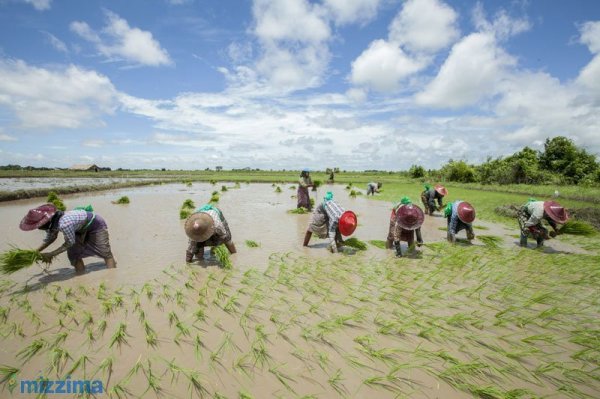
The goal of becoming once again the world’s rice basket is wrong: "If Myanmar emerged as the top exporter of rice and if farmers get rich, why not? But if farmers remain poor, what’s the point? … China’s policy is to reduce the rice-growing area. Vietnam has the target of being rice self-sufficient; it also has among the world’s highest use of agro-chemicals. So what if padi production goes down as a result?"