Most women working in media in Yangon claimed they had never encountered sexual harassment but, among those working beyond the capital area, more than half said they had experienced sexual harassment in their workplaces, sometimes from sources ... “Harassment can be physical and verbal. When we want to interview men, sometimes they want to meet in private. There are stereotypes and misconceptions about women working in certain industries."
* As Myanmar looks to develop, a value-added revolution is needed in the countryside—Mizzima
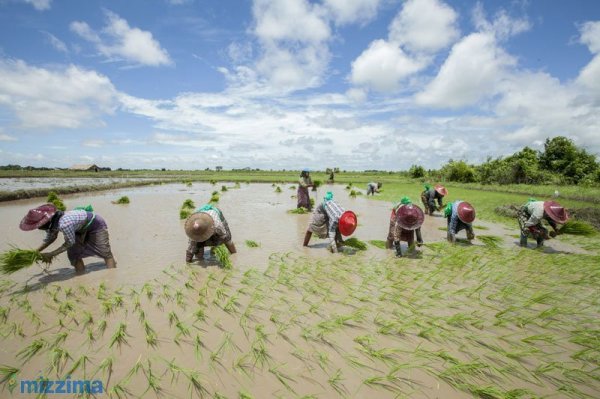
The goal of becoming once again the world’s rice basket is wrong: "If Myanmar emerged as the top exporter of rice and if farmers get rich, why not? But if farmers remain poor, what’s the point? … China’s policy is to reduce the rice-growing area. Vietnam has the target of being rice self-sufficient; it also has among the world’s highest use of agro-chemicals. So what if padi production goes down as a result?"
* Do Myanmar’s Rohingya Really Need Citizenship Now?—Forbes
Back home in Myanmar, fast-track citizenship is unlikely to be a panacea. After all, the 400 Rohingya who have managed to obtain full citizenship still face the same stigma and marginalization that the stateless Rohingya do in Rakhine state. They don't have the same access to jobs, education or housing that the Buddhists of Rakhine do. As long as these conditions persist, Rohingya will seek better lives overseas and take great risks to do so.
* 48 Heroes of Philanthropy 2014—Forbes Asia
By John Koppisch Forbes Asia For the eighth straight year we spotlight notable philanthropists in the Asia-Pacific region, especially those who made news in the past year by launching new and innovative projects. The 48-member honor roll ranges from billionaires with expansive visions of how best to help society to less well-known business people whose... Continue Reading →
* 48 Heroes Of Philanthropy 2013—Forbes Asia
Others are famous singers or actors who are using their star power to promote their favorite causes. All are leaving the region a powerful legacy—whether it’s museums, symphony orchestras, a global project to eradicate polio, rural kindergartens, free health clinics or help for war refugees.

