By Susan Cunningham Forbes Asia (This profile appeared in the March 2017 issue of Forbes Asia. Within ten days of its March 1 publication, Richard Quest did an in-person interview on CNN with the subject.) Patrick Y-Kin Grove is leaning against the pool table in Catcha Group's headquarters in the Mid Valley mall-lands of Kuala... Continue Reading →
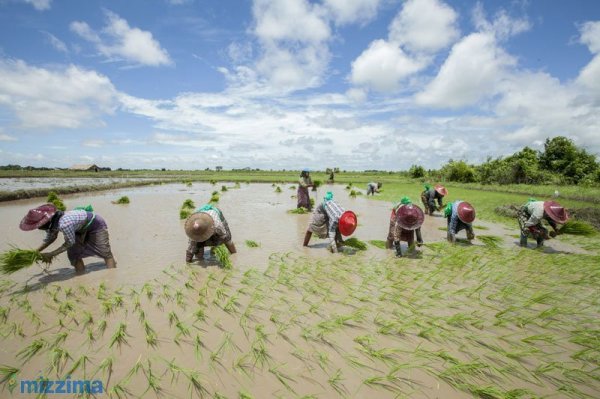
* As Myanmar looks to develop, a value-added revolution is needed in the countryside—Mizzima
The goal of becoming once again the world’s rice basket is wrong: "If Myanmar emerged as the top exporter of rice and if farmers get rich, why not? But if farmers remain poor, what’s the point? … China’s policy is to reduce the rice-growing area. Vietnam has the target of being rice self-sufficient; it also has among the world’s highest use of agro-chemicals. So what if padi production goes down as a result?"
* Myanmar: 45 Million Mobile Phones and the $19 3G Smartphone
More than half of those 27 million-plus smartphone owners in Myanmar are regular data users, who check into Facebook daily and the Viber messaging and VOIP app almost as frequently. How can so many people afford phones when the average wage is $3 a day?
* Omidyar grant jumpstarts for-profit accelerator in Myanmar—Digital News Asia
Besides Phandeeyar, the eBay founder's "philanthropic investment firm" has given grants to the Open Myanmar Initiative for election monitoring activities, Yangon Journalism Institute and Myitmaklia News Agency. It also supported a Global Witness report on labour conditions in Myanmar jade mines.
* Malaysia’s Anthony Tan Leads GrabTaxi in Regional App Race—Forbes Asia
GrabTaxi may have won the first rounds. At the end of 2014 Easy Taxi pulled out of Indonesia and was laying off staff in Malaysia, while GrabTaxi Holdings had raised almost $340 million in venture capital and loans; Japan’s SoftBank is its biggest investor.