So back to the "market leader" thing. The prospectus reiterates that many Rocket sites are market leaders but never defines the term. Jabong is pulling impressive user traffic in India—almost 2 million visits per day, as the data above from SimilarWeb show. But that number is nowhere near Flipkart's daily average of 2.45 million.
* Malaysia’s Patrick Grove Aims To Go Global With Iflix Video-On-Demand—Forbes Asia

By Susan Cunningham Forbes Asia This profile appeared in the March 2017 issue of Forbes Asia. Within ten days of its March 1 publication, Richard Quest conducted an in-person interview on CNN with the subject. Just a coincidence? Patrick Y-Kin Grove is leaning against the pool table in Catcha Group's headquarters in the Mid Valley... Continue Reading →
* The Rohingya Pipeline—Mizzima
In the beginning, the boats were relatively small and only carried 60 or 70 passengers, Rohingya Society of Malaysia President Sultan Ahmed explained. They soon became larger, squeezing in at least 200 passengers. Women and children began coming in large numbers in 2011. In 2012, large cargo boats were pressed into service; these could accommodate 600 or 700 passengers, as was seen this May in some of the boats set adrift in the Andaman Sea by traffickers.
* Women Journalists In Myanmar Are Numerous But Still Stalled by Stereotypes—Mizzima
Most women working in media in Yangon claimed they had never encountered sexual harassment but, among those working beyond the capital area, more than half said they had experienced sexual harassment in their workplaces, sometimes from sources ... “Harassment can be physical and verbal. When we want to interview men, sometimes they want to meet in private. There are stereotypes and misconceptions about women working in certain industries."
* As Myanmar looks to develop, a value-added revolution is needed in the countryside—Mizzima
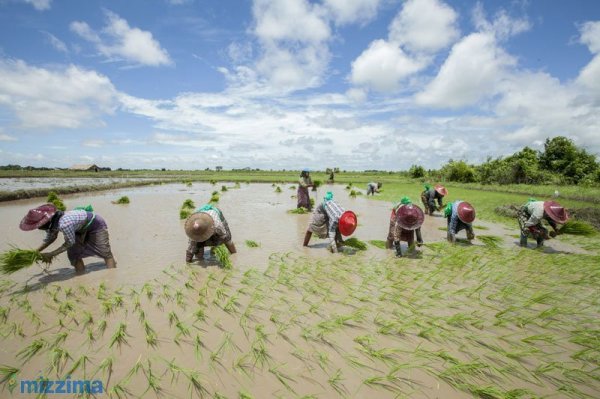
The goal of becoming once again the world’s rice basket is wrong: "If Myanmar emerged as the top exporter of rice and if farmers get rich, why not? But if farmers remain poor, what’s the point? … China’s policy is to reduce the rice-growing area. Vietnam has the target of being rice self-sufficient; it also has among the world’s highest use of agro-chemicals. So what if padi production goes down as a result?"

